The Stiftung Planetarium Berlin is now excitedly joining the OpenSpace community after working with Tau Immersive to bring OpenSpace into their planetarium systems!
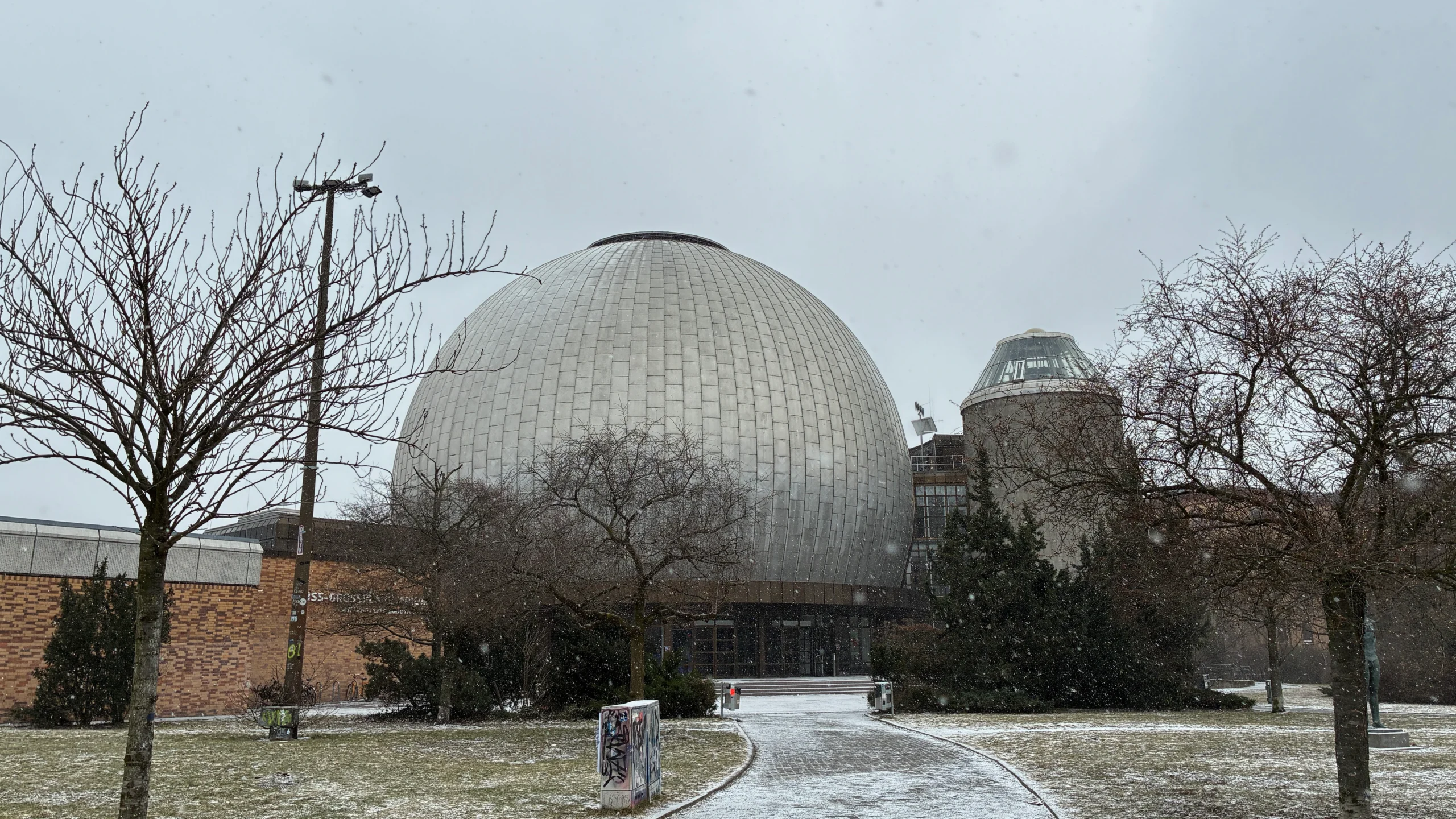
The story of the Stiftung Planetarium Berlin is one of reunification and vision for progress. The oldest, and smallest planetarium, is the small 26’ dome at the historic Archenhold Observatory in Treptower Park. In the 1960s West Berlin erected the 65’ Planetarium am Insulaner near the Wilhelm-Foerster-Sternwarte Observatory in West Berlin. East Berlin then opened the largest of the three facilities, the impressive 75’ Zeiss-Grossplanetarium in the Prenzlauer neighborhood in 1987. While the many domes made sense for a divided Berlin during the Cold War, German reunification in the 1990s brought the new challenge of what to do with so many planetariums in one city, and for years weighed the balance of maintaining all three facilities or closing one or more to consolidate them.
Then a vision for unifying the planetariums came from my friend and colleague, Tim Horn.
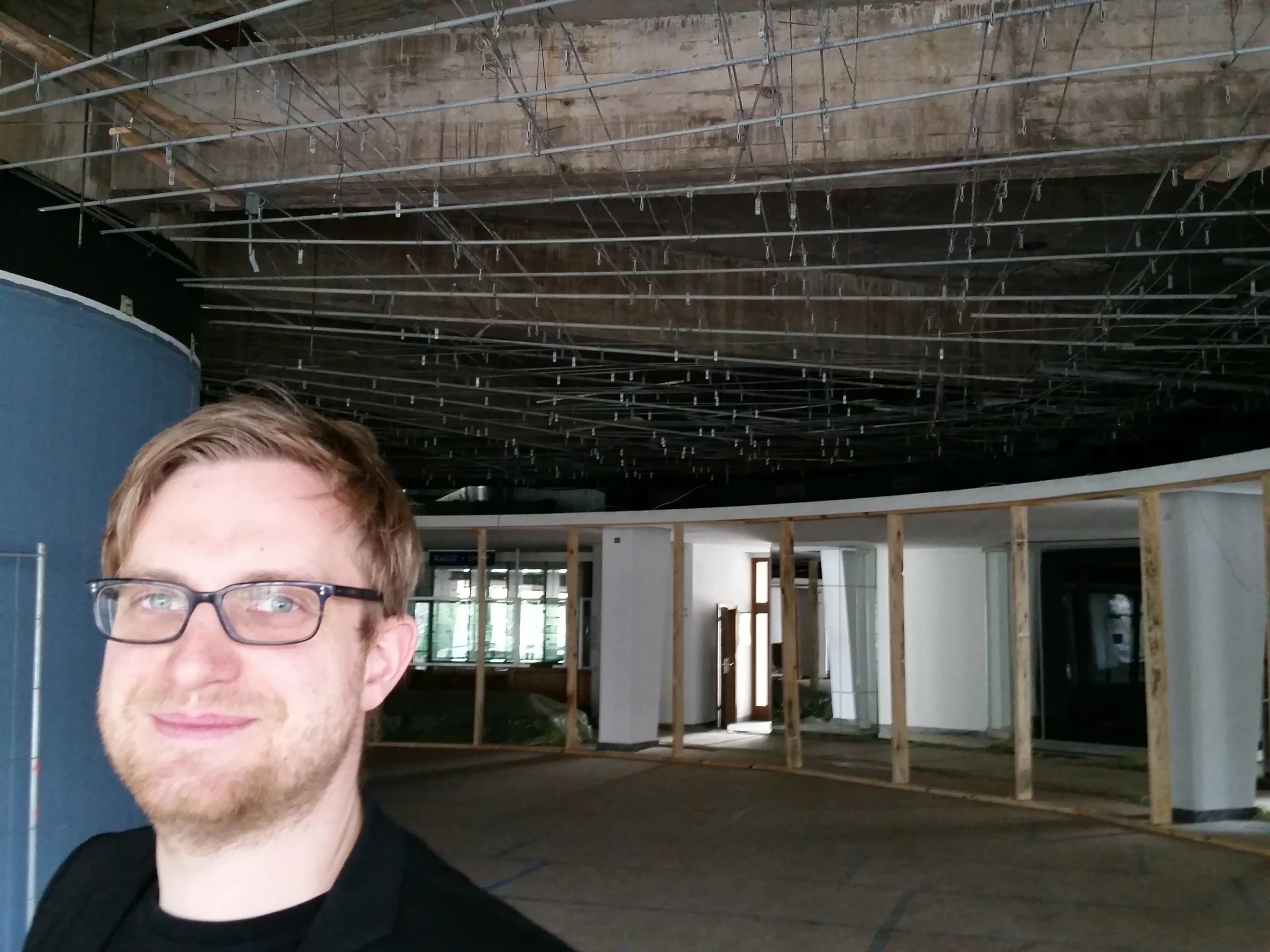
Tim and I worked together on the team at Morrison Planetarium at the California Academy of Sciences in 2012 and 2013, although our first encounters went back earlier. Aside from his work selling all sky still photos to planetariums in the early 2000s (a few of which I ordered for slide-based shows), my most prominent initial intersection with Tim was in 2008, when we were both users of E&S Digistar systems, and at the annual Digistar Users Group demonstrations Tim’s work took the first place award, while mine was a runner up.
At Morrison Planetarium, our shared interest in the capabilities of realtime simulation software for planetarium systems found us naturally working together, with Tim tackling more of the production work, while I focused on the technology and data integration that powered the systems. When Tim announced he was leaving to take on the ambitious task of leading the Berlin Planetariums together into a united future, I took on many of his program production responsibilities, and wished my friend the best with his luck and skill.
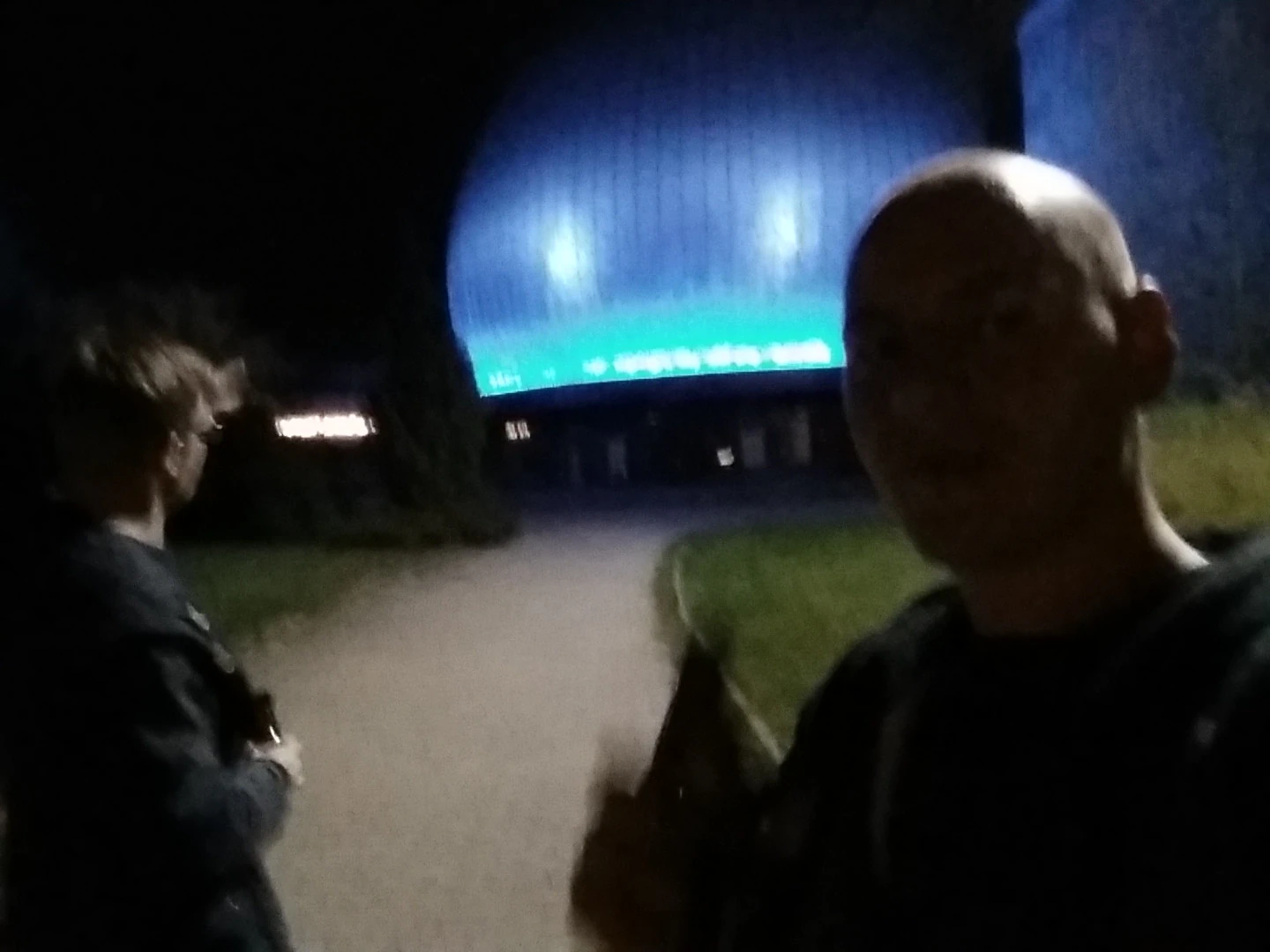
Since then, we have regularly stayed in touch. In 2015 I visited him early in the ambitious renovation process of the Zeiss-Grossplanetarium, and we excitedly discussed future plans that might allow us to collaborate again. I was delighted to return to Berlin again in 2019 to see the planetarium fully renovated and activated to its new potential, and again in 2024 when Tim and his team hosted the International Planetarium Society conference.
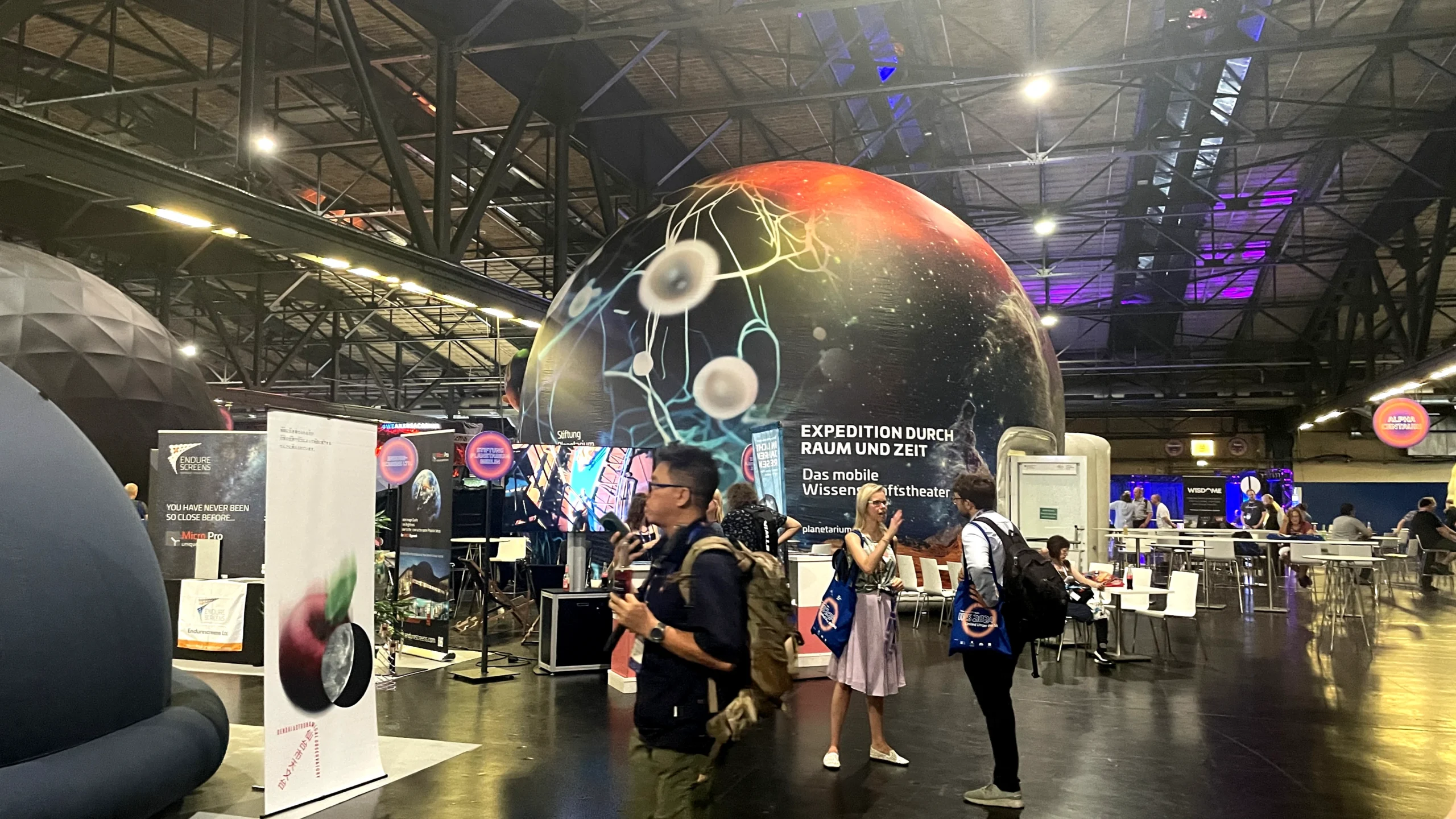
When I founded Tau Immersive, Tim was one of the first people to reach out to me, contracting me for work to support Uniview production for special lectures and presentations, supplementing the skills of his in-house team who mostly had experience working on Digistar systems.
Tim’s team were already exploring the possibilities of what adding OpenSpace to their toolkit could do for the planetarium, especially given the fast-developing open source nature of the software, but like many facilities, they faced the uncertain hurdle of how to install OpenSpace on their systems as well as seeking more training and knowledge to fill in their skills with the program. Seeing the success with projects like the Ars Electronica Center, H.R. MacMillan Space Centre and others, Tim approached me to join the team in Berlin to give his team an OpenSpace training workshop and support the installation on their planetarium computer clusters.
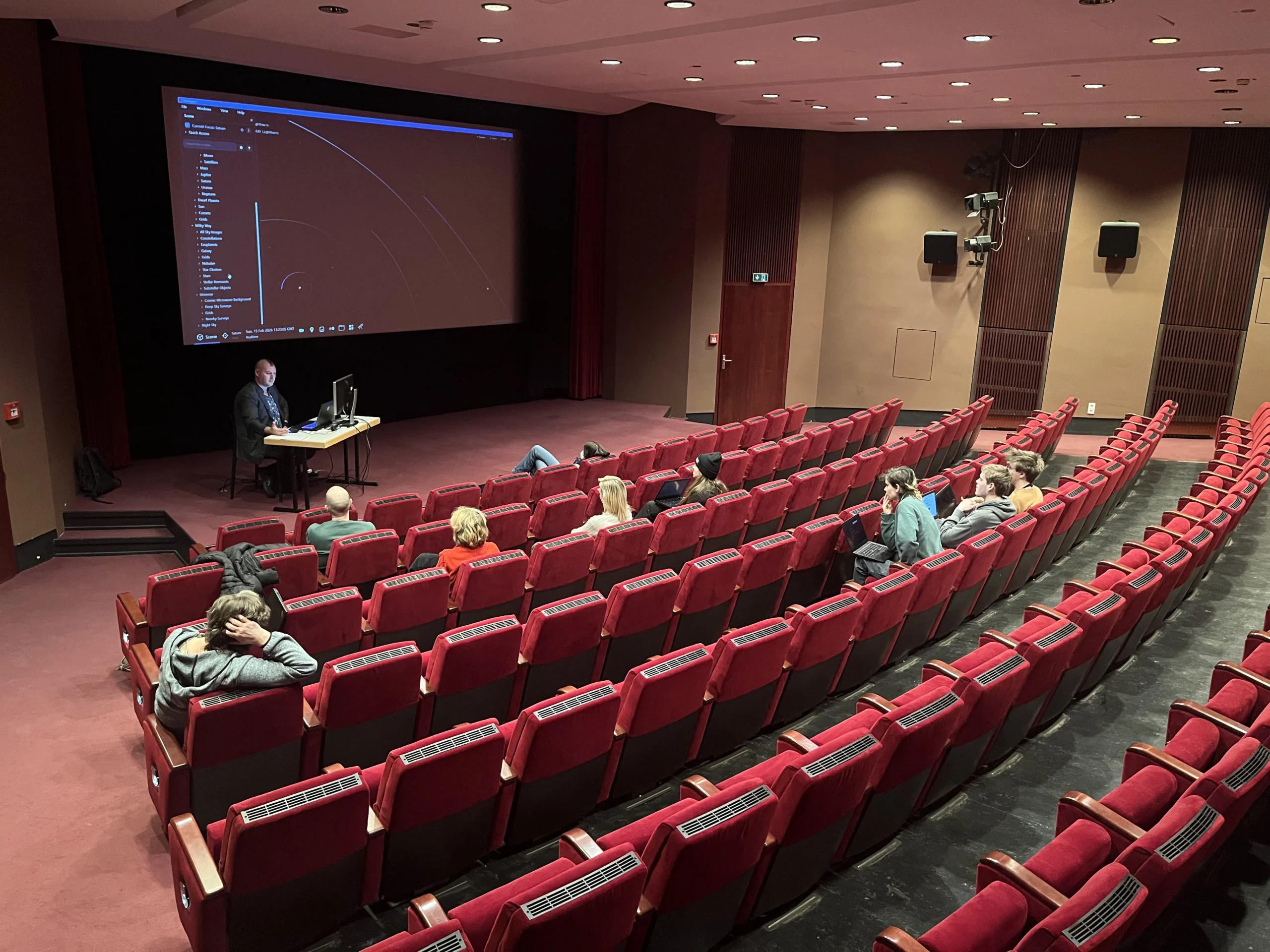
It was once again great to visit these thriving facilities and work more closely with the SPB production team. Over five days we split our time between the Zeiss-Grossplanetarium and Archenhold Observatory, spending part of the day in my structured workshop rounding out their knowledge of how to create content and programs for OpenSpace, and what time we could squeeze into the planetarium theaters themselves to install and troubleshoot the performance of the software on their live systems. Interspersed with that were several demonstrations of the features and capabilities of OpenSpace to the planetarium’s education and moderator teams, who handle the live presentations in the planetariums. Each team left with tremendous enthusiasm for what they would be able to do with OpenSpace, and Berlin’s capable producers ended the workshop feeling confident they would be able to anything they could imagine with the software.
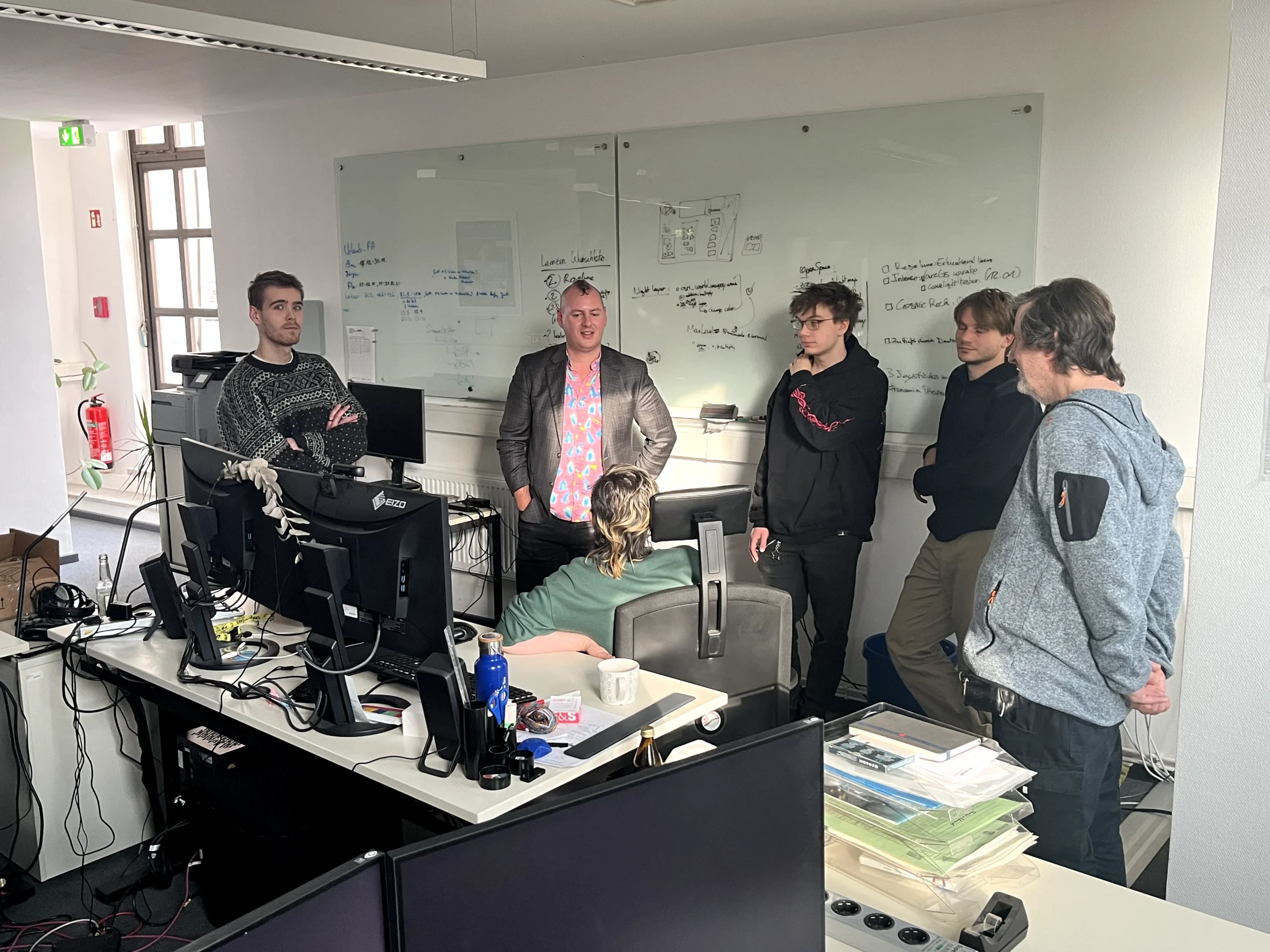
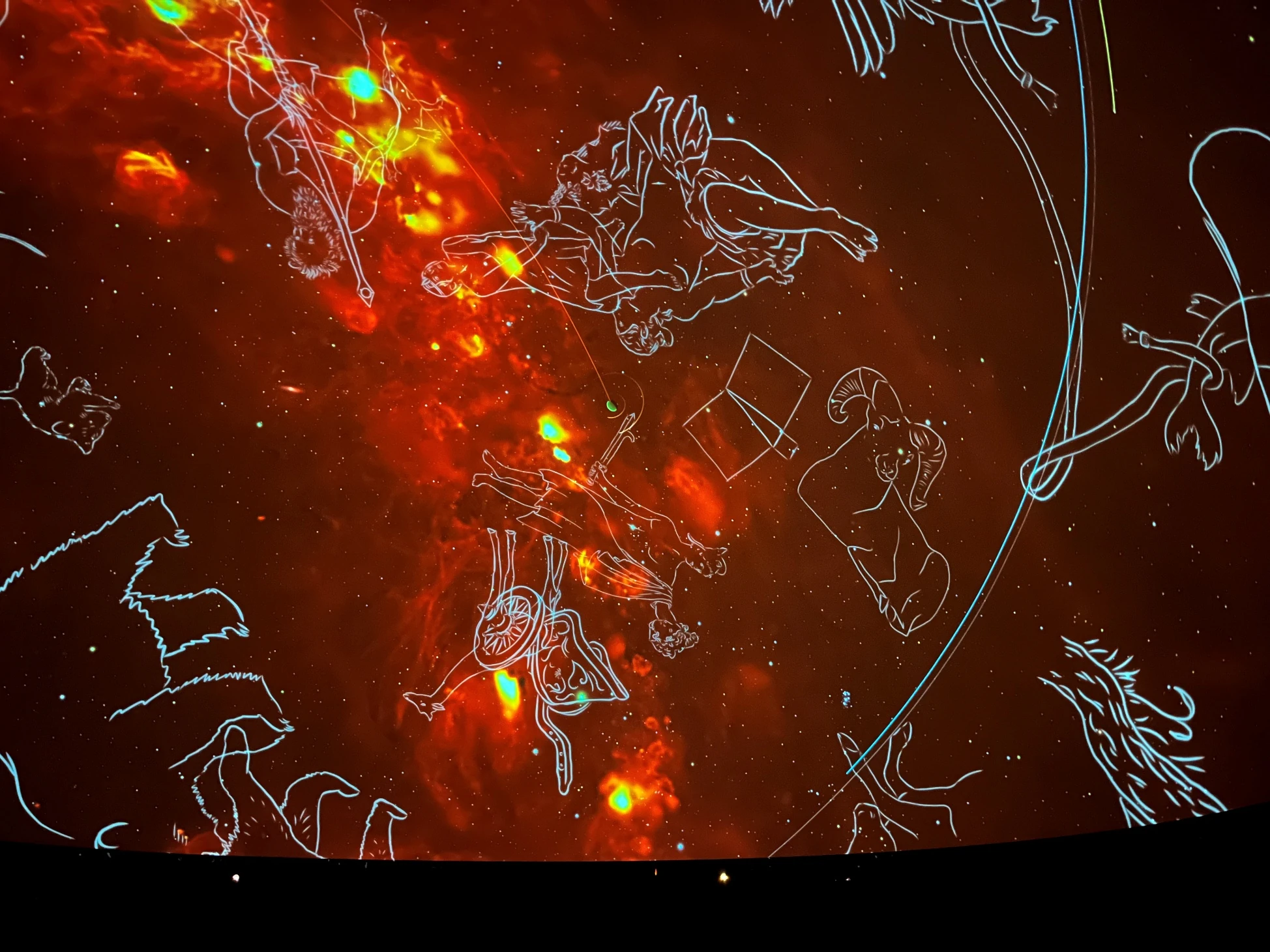
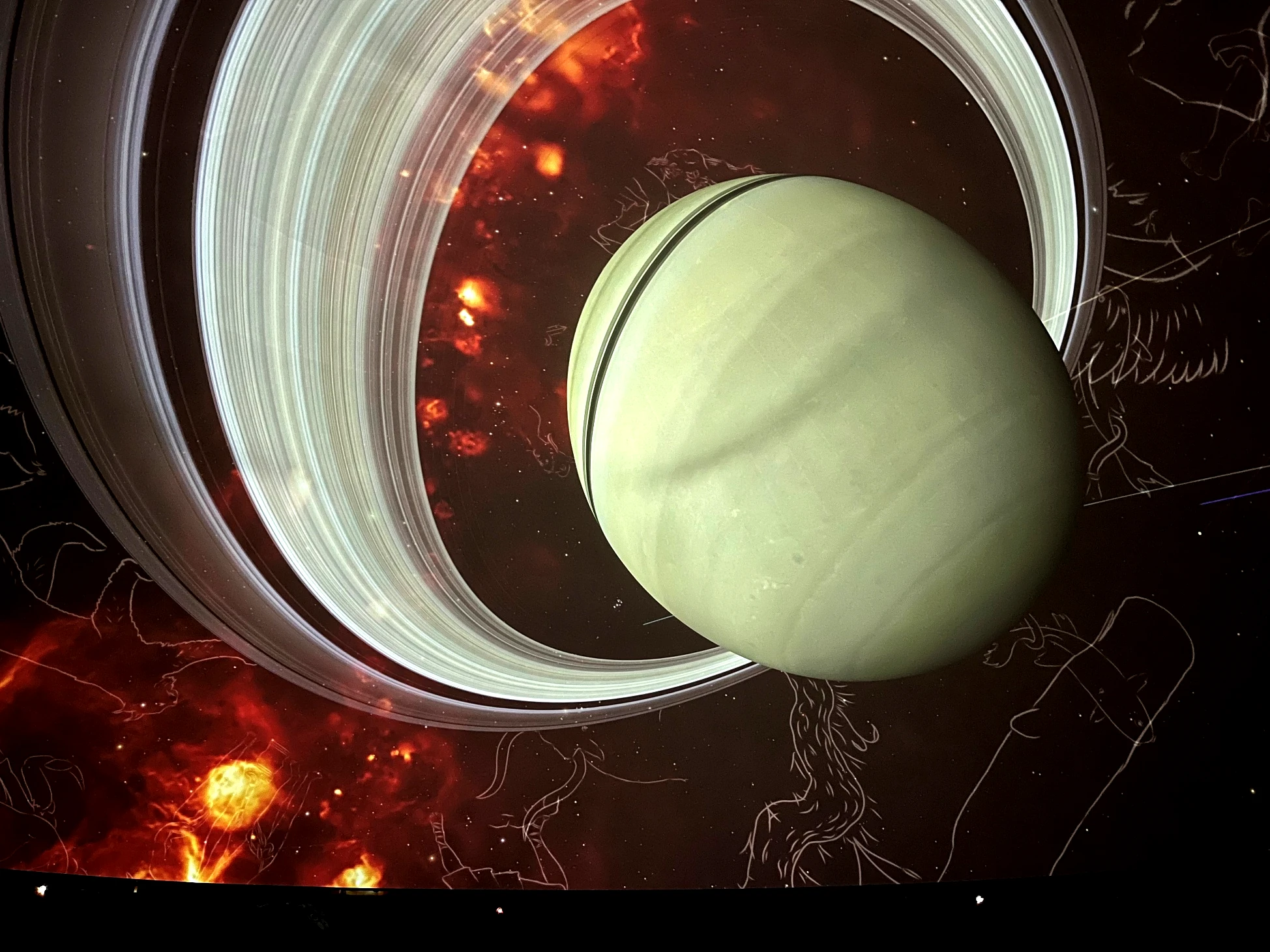
We continued to refine the installation and settings remotely after my visit, and I am thrilled that we now have OpenSpace running in both the Grossplanetarium’s massive 75’ 10-channel dome, and in the two-projector system of Archenhold Observatory’s smaller planetarium. Planetarium am Insulaner was under renovation at the time, but I am certain with the insights, training, and enthusiasm I left with the team there will be no problem adding these tools to that facility as well.
I was deeply honored to get to help my friend and his truly special planetariums. Archenhold Observatory has an especially notable history, and I got to teach my OpenSpace workshops from the same stage where Albert Einstein delivered his first public lectures on relativity. Observatory founder Friedrich Simon Archenhold and Einstein forged a friendship out of their mutual interest in science advancement and communication to the public–although Einstein was reluctant to lend his name as endorsement to the various public exhibitions at the Observatory.
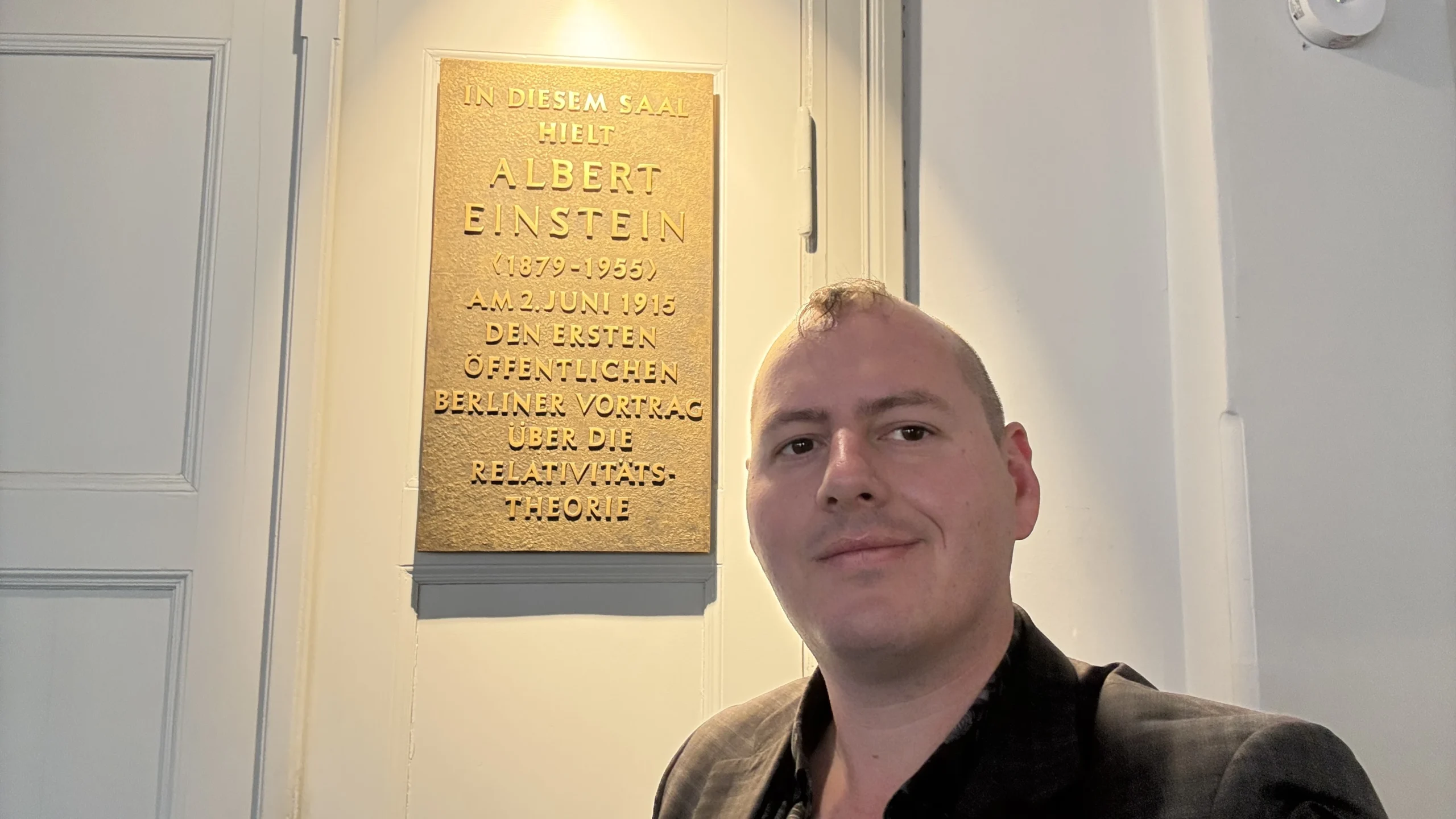
It’s also of personal significance to me that both men were Jewish. Albert Einstein, of course, fled Germany for the United States as the Nazis rose to power. Archenhold’s son who succeeded him as Observatory director was forced out of the position and allowed to escape, while other members of the family died in the concentration camps. It was truly an unanticipated honor in my career to get to share this stage, 110 years after Einstein used it, as a Jewish science communicator myself, to get to share my own knowledge and skills with my friends at the Berlin Planetariums–a personal example of my vision for how science education can help heal and unify the world.
I also don’t think it hurts to point out working with OpenSpace means I had much nicer science visualization software than Einstein had access to.
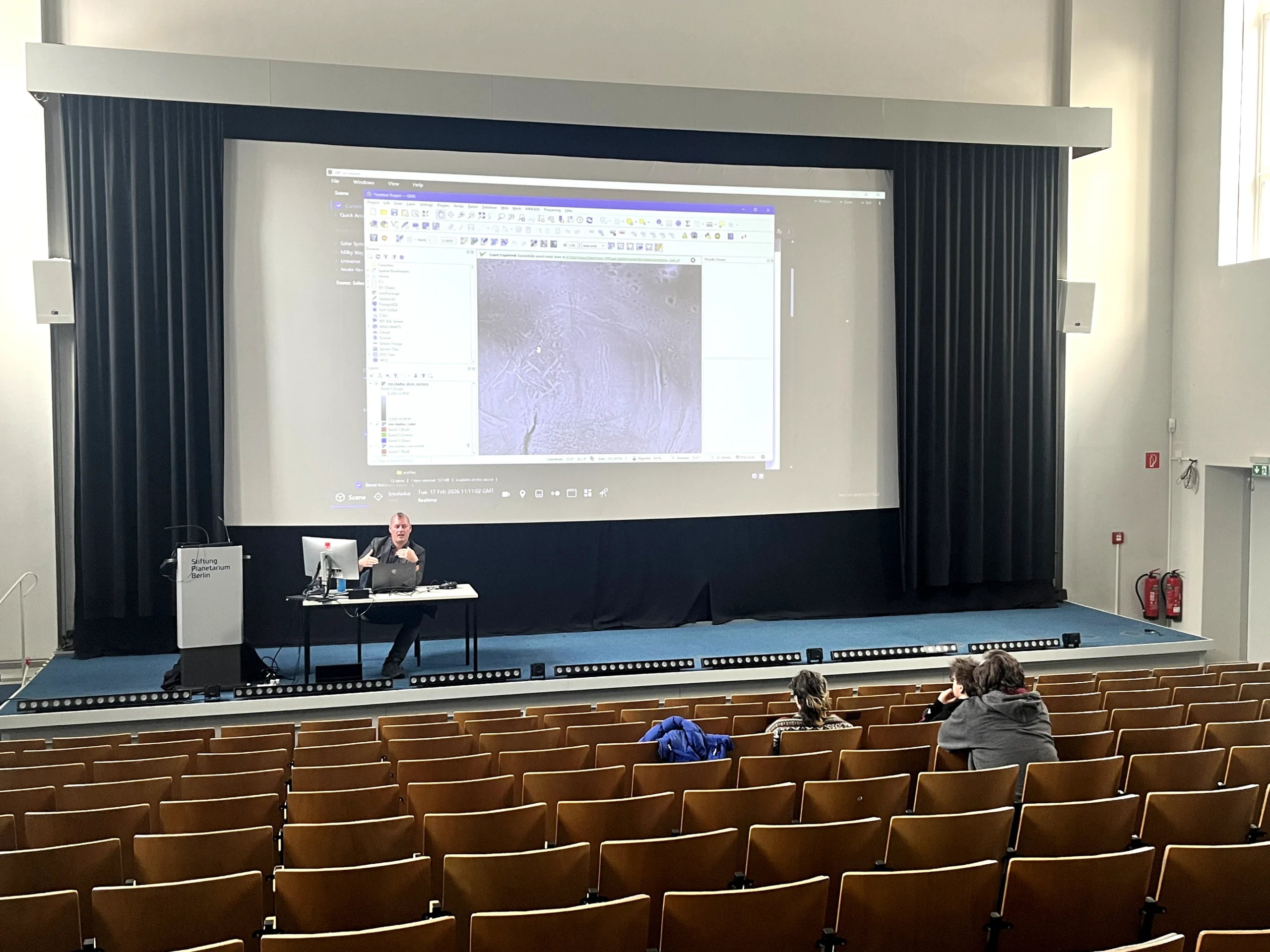
My sincere thanks to my friend Tim (who also provided several of these pictures) and the entire Stiftung Planetarium Berlin team for bringing me out for their workshop. It was an honor and a delight to work with them and I can’t wait to see the incredible work they’ll do with OpenSpace!
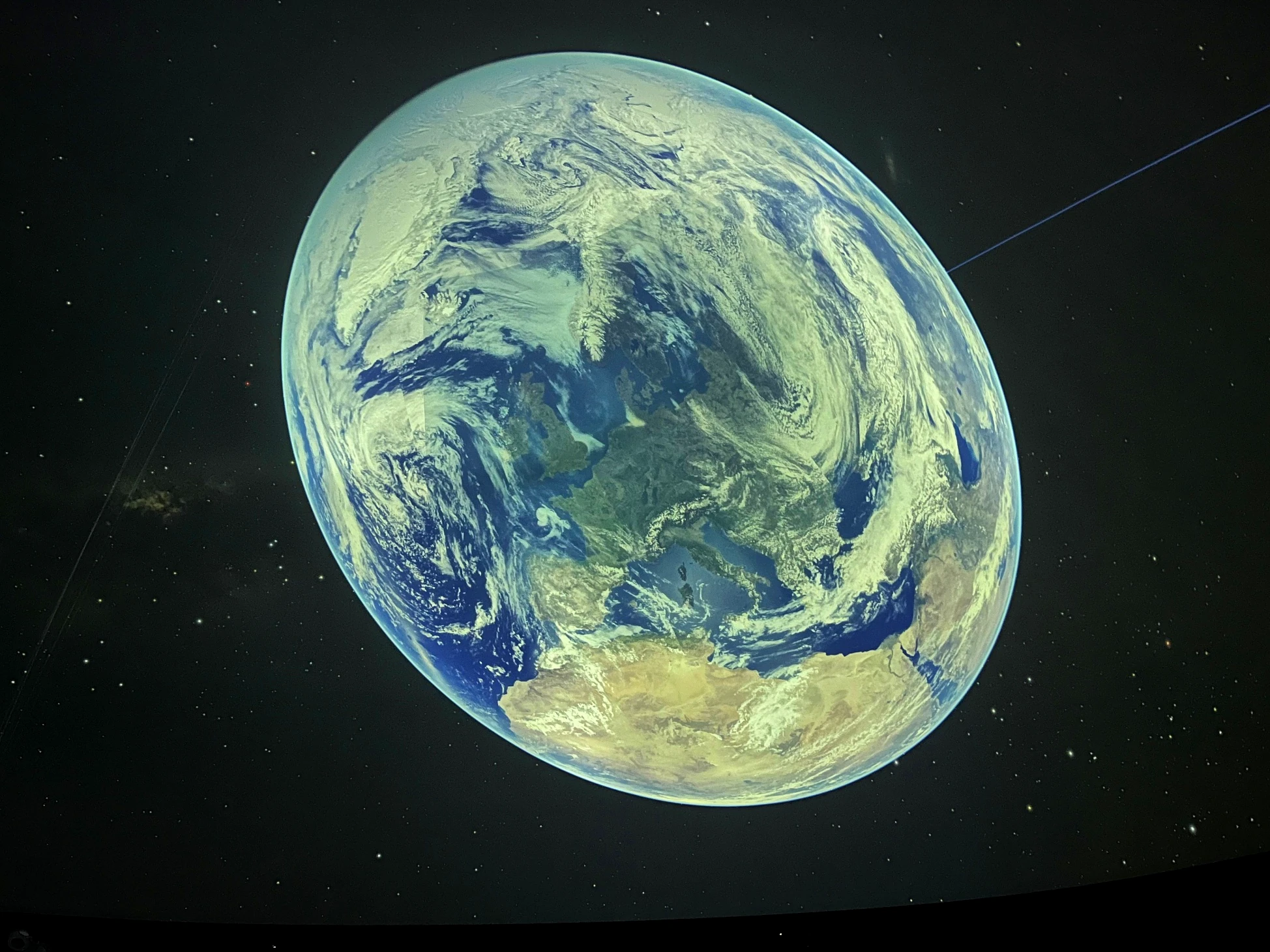
Interested in what OpenSpace can do you for you planetarium or immersive venue? Tau Immersive works with facilities of all sizes, reach out to see what we can do together!